Long before industrial confectionery reached the small towns of Rajasthan, winter in Karauli smelled of one thing — jaggery being pulled thin over a stone slab, sesame seeds crackling into it, and karigars beating the golden mass into translucent sheets. That sheet is gazak — spelt gajak in many parts of North India — and its thin disc form is tilpatti.
A princely-era town with a sweet inheritance
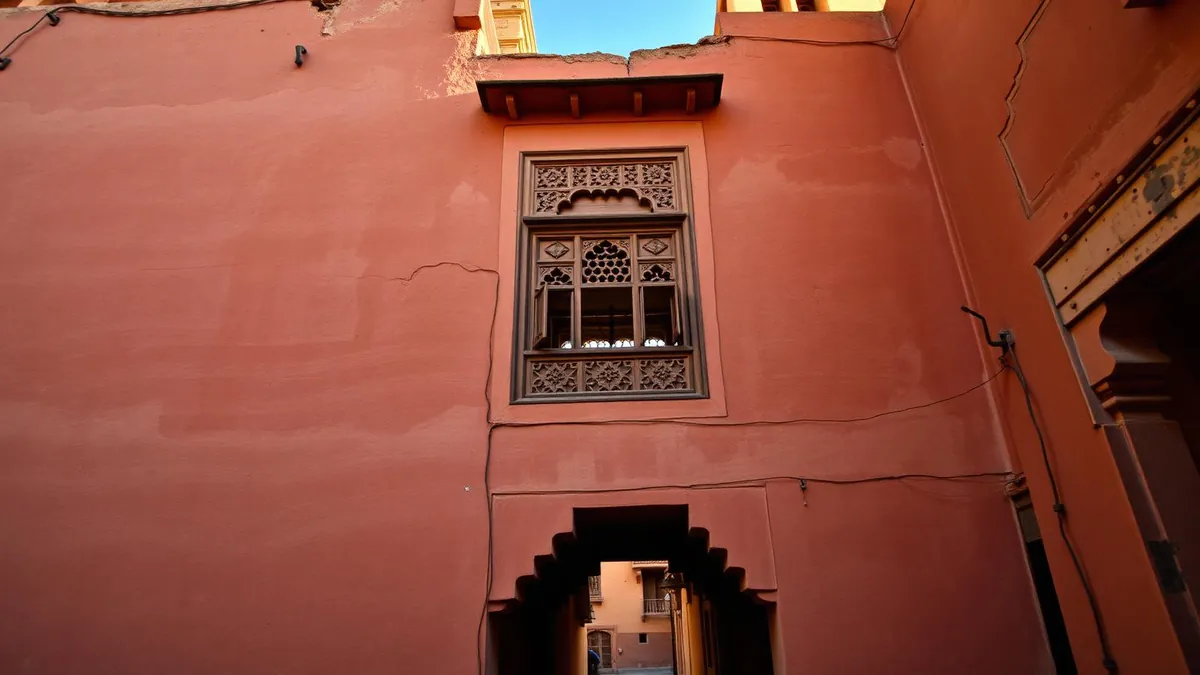
Karauli was founded in the 14th century by Yadav rulers and remained a princely state until India's independence. The town is best known for three things — the deep red sandstone that clads its havelis and forts, the hilltop shrine of Kaila Devi that draws pilgrims through the year, and its century-old winter sweet tradition built around sesame and jaggery. Gazak is a regional inheritance here, not a modern invention.
Why Karauli's sesame is special
The Karauli belt sits inside one of Rajasthan's classic sesame-growing regions. The soil, the winter dryness and the smallholder farming pattern combine to give a plump, pale-white til that roasts sweet and holds its snap in gazak. The Government of India's One District One Product (ODOP)initiative, which identifies a signature product for every district to promote exports and craft, recognises sesame seed processing and gazak as Karauli's district product. ODOP recognition is not a food certification — it is a formal acknowledgement that a place and a craft belong together.
The gazak-making craft
Gazak-making is technically simple and culturally deep. Jaggery (or sugar for the lighter chini varieties) is melted slowly and cooked until it reaches the hard-crack stage — the temperature at which a drop, plunged into cold water, shatters like glass. Roasted til is folded in, the mass is flipped onto a cold slab, and while it is still pliable the karigar hammers and stretches it out — with fists, wooden mallets and years of practice — until it thins into pale gold sheets.
The finest tilpatti in Karauli homes is thin enough to read a newspaper through. Every batch is a race against the sugar cooling: pause too long and the mass turns unworkable. This is why gazak is a winter craft — cool ambient air is what gives the karigar time to work. It is also why gazak resists mass production: each slab still needs a human, a mallet and a January morning.
Gazak vs Morena gajak vs tilpatti
The town of Morena in Madhya Pradesh is famously associated with gajak, and Morena gajak has earned a Geographical Indication (GI) tag. Karauli's tradition is a parallel, equally old story rather than a competing one — same core ingredients, different regional hands and recipes. Morena leans towards the fluffier, layered soan style; Karauli's signature is the crisp, paper-thin tilpatti and the dense gud slab. Tilpatti itself is not a separate sweet — it is the thin-disc form of gazak. Every tilpatti is a gazak; not every gazak is a tilpatti.
From 7 km away: how Gazakwala is made
Gazakwala is the direct-to-consumer brand of Rajasthan Healthy Food, an FSSAI-licensed food unit (Lic. No. 12224038000012) based in Gangapur City, Sawai Madhopur district — a short drive from Karauli town. We source til from the local belt, cook in small batches, and refuse the two things that ruin modern gazak: palm oil and preservatives. What ships is the same slab a Karauli grandmother would recognise, packed for a courier and a country.
करौली की गजक: एक विरासत
करौली, पूर्वी राजस्थान का लाल पत्थरों वाला ऐतिहासिक शहर, अपनी हवेलियों, कैला देवी मंदिर और सर्दियों की खास मिठाई — गजक — के लिए जाना जाता है। यहाँ की मिट्टी और शुष्क सर्दियाँ तिल की खेती के लिए आदर्श मानी जाती हैं, और यही कारण है कि भारत सरकार ने करौली जिले के ODOP उत्पाद के रूप में तिल और गजक को चुना है।
असली गजक बनाने का काम आज भी कारीगरों के हाथों से होता है — गुड़ को धीमी आँच पर पकाया जाता है, भुने हुए तिल मिलाए जाते हैं, और गरम मिश्रण को पत्थर की सिल पर बार-बार पीटकर कागज़ जितना पतला किया जाता है। इसीलिए गजक और तिलपट्टी सर्दियों की मिठाई है — ठंडी हवा में ही यह काम मुमकिन है।
गजकवाला, राजस्थान हेल्दी फूड का ब्रांड है, जो करौली से मात्र 7 किलोमीटर दूर बनता है। हमारा वादा सीधा है — शुद्ध तिल, असली गुड़, कोई पाम ऑयल नहीं, कोई प्रिज़र्वेटिव नहीं। बस वही स्वाद जो करौली के घरों में पीढ़ियों से बनता आ रहा है।